
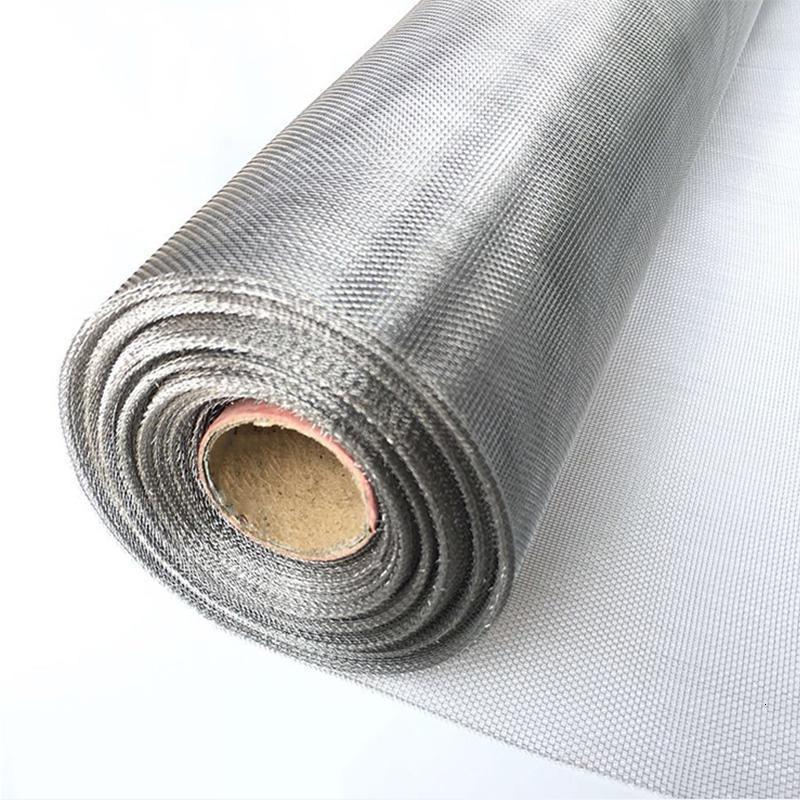

Stainless Steel & Alloy Wire Mesh
Stainless Steel Woven Wire Mesh
Stainless steel woven wire mesh, also called stainless steel wire cloth, in plain, twill and Dutch weaves. Specify grade, mesh count, wire diameter, aperture and roll, sheet or cut-piece dimensions for screening and filtration.
Material:
Stainless Steel
Quality & Compliance
-
 SGSAudited Supplier
-
 ISO 9001Quality Management
-
 CEEuropean Conformity
For an accurate quotation, include the material, opening, wire diameter or thickness, dimensions, quantity, and delivery destination.
Stainless Steel Woven Wire Mesh and Wire Cloth
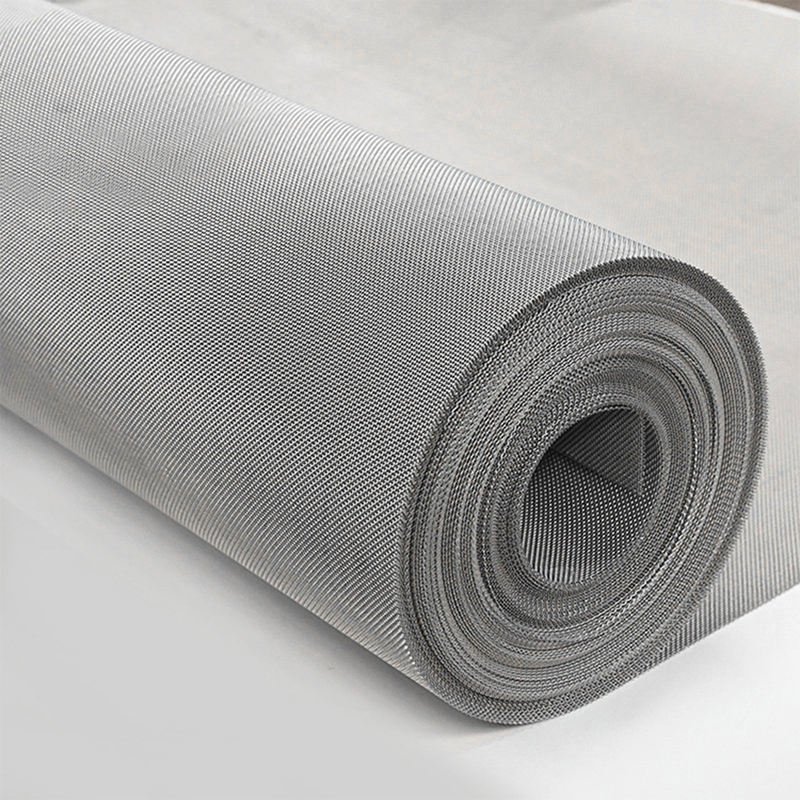
Stainless steel woven wire mesh is made by interlacing warp and weft wires into a selected weave. Also called stainless steel wire cloth, it is ordered by construction as well as grade. Plain and twill square weaves have measurable open apertures; Dutch weaves use unequal wire arrangements to create filtering passages. This page focuses on woven geometry and supply dimensions. Grade-specific requirements can be reviewed through the 304, 316/316L and other product entries.
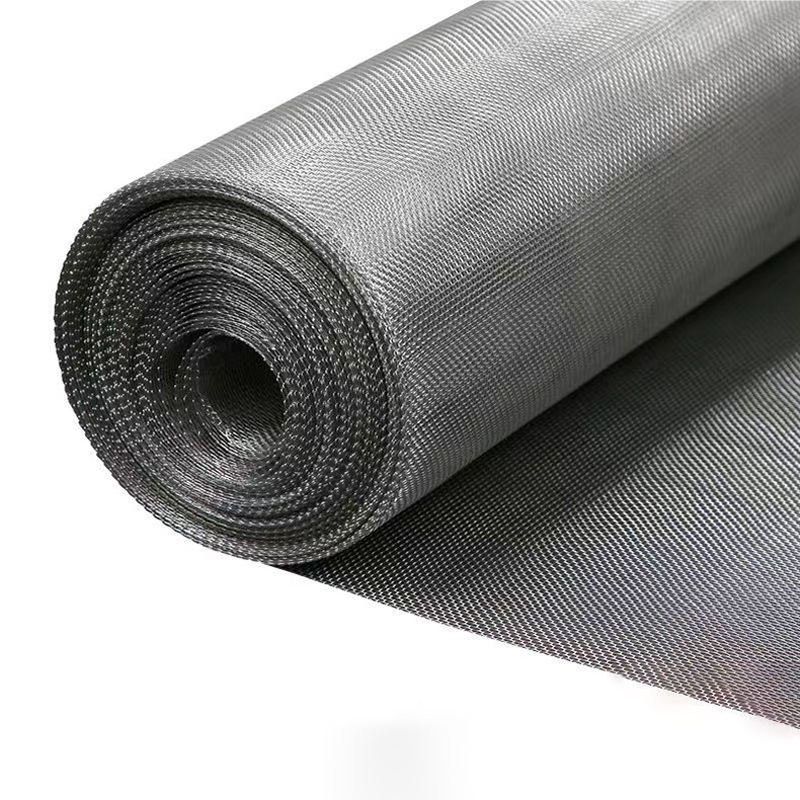
Stainless Steel Woven Wire Mesh weave and surface detail |
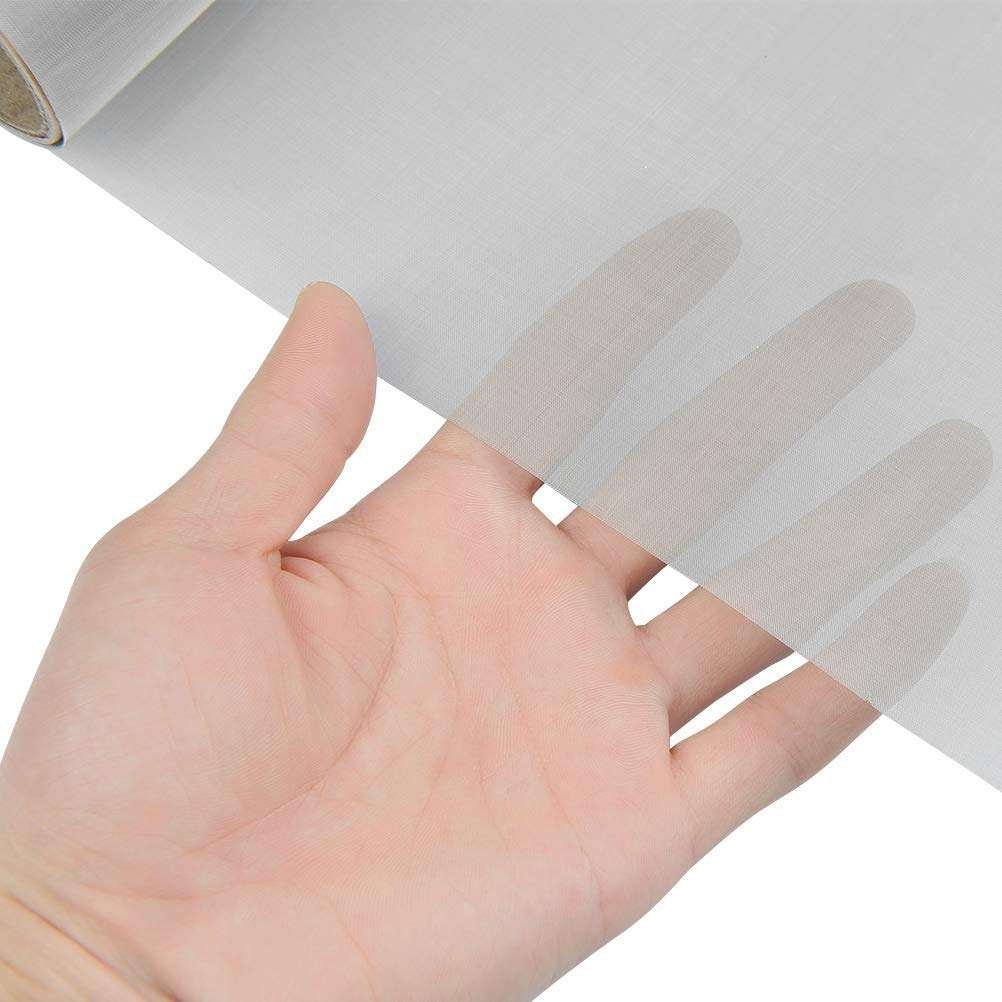
Stainless Steel Woven Wire Mesh roll and handling detail |
Product Specifications
| Parameter | Reference specification |
|---|---|
| Material | 304/304L, 316/316L or another explicitly specified stainless grade |
| Weave construction | Plain square, twill square, plain Dutch or twill Dutch, specified separately |
| Mesh count and aperture | Square-weave examples: 20 mesh / 0.406 mm wire / about 0.864 mm opening; 100 mesh / 0.102 mm / about 0.152 mm |
| Wire diameter | To selected weave and aperture; warp/weft sizes identified for Dutch cloth |
| Roll dimensions | Metric roll dimensions to order; imperial widths specified as exact dimensions |
| Surface finish | As woven; cleaning and any surface treatment to order |
| Dimensional inspection | Opening, wire diameter, weave and tolerances to agreed inspection specification |
| Supply form | Rolls, sheets or cut pieces; edge and packing requirements to order |
Reference dimensions describe selected designs. Agree the actual combination, tolerances, inspection and packing in the quotation before production.
Plain, Twill or Dutch Weave?
| Weave | How to specify it |
|---|---|
| Plain square weave | Alternating over-and-under wires. State mesh count, wire diameter and clear aperture. |
| Twill square weave | A staggered over-two/under-two pattern. Confirm wire sizes, aperture and handling requirements. |
| Plain or twill Dutch weave | Different warp and weft arrangements for filtration. Identify both counts, both wire sizes and the retention requirement or agreed test method. |
For a compact filtration construction, compare stainless steel Dutch weave mesh or reverse Dutch weave mesh. Do not treat a nominal mesh count as an absolute micron rating.
Mesh Count, Aperture and Open Area
Mesh count, wire diameter and clear aperture must be evaluated together. For an ideal square weave counted per linear inch, approximate aperture in millimeters equals 25.4 divided by mesh count, minus wire diameter. Approximate open area equals the square of aperture divided by aperture plus wire diameter, multiplied by 100 percent. State tolerances and the inspection basis for the supplied cloth. For a broader comparison of count, opening and wire options, see our woven wire mesh sizes and specifications guide.
For example, 20 mesh with 0.406 mm wire has an approximate opening of 0.864 mm. This geometry example explains the relationship; it is not a guarantee of stock or a filtration performance rating. Dutch cloth requires a separate retention and performance specification.
Grade and Finished Supply Form
Choose 304 stainless steel mesh or 316/316L stainless mesh according to the operating environment, fabrication and purchase requirements. The material page explains grade comparison; this woven listing defines the cloth. State rolls, slit strips, sheets or cut discs, together with dimensions, edges and the required surface condition.
Applications and Acceptance Checks
Woven stainless cloth is used for industrial screening, sifting, compatible process filtration and fabricated components. For a filter disc or cartridge, define housing dimensions, sealing and required filtration performance in addition to the starting cloth. Agree weave, wire diameter, aperture, finished dimensions and any grade or inspection records before ordering.
Fine Stainless Steel Mesh: Count, Aperture and Open Area
Fine stainless steel mesh is a description of cloth with relatively small openings, not a standardized filtration rating. For square woven cloth, compare mesh count with wire diameter. The two existing reference combinations below show the resulting nominal geometry.
| Square-weave reference | Wire diameter | Calculated clear aperture | Calculated open area |
|---|---|---|---|
| 20 mesh | 0.406 mm | 0.864 mm (864 microns) | 46.3% |
| 100 mesh | 0.102 mm | 0.152 mm (152 microns) | 35.8% |
For square cloth, aperture = 25.4 ÷ mesh count − wire diameter, with dimensions in millimeters. Theoretical open area = [aperture ÷ (aperture + wire diameter)]² × 100%. These calculations describe geometry. They do not establish particle retention, flow rate or the performance of an assembled filter. Dutch weaves require their own construction and agreed retention specification.
Stainless Steel Wire Mesh Rolls, Sheets and Cut Parts
For a stainless steel wire mesh roll, specify grade, weave, count and wire diameter or clear aperture, usable width, length and edge condition. For sheets or slit strips, provide the finished dimensions, tolerances, cutting direction and packing. Confirm any flattening, cleaning or other finishing requirement for the selected cloth.
Need a circular filter part? Review stainless steel wire mesh filter discs and provide the diameter, layers and edge treatment. For an overall grade and construction comparison, use our stainless steel mesh material guide.
Frequently Asked Questions
Is stainless wire cloth the same as stainless woven wire mesh?
The terms commonly describe interlaced stainless wire media. A complete order still needs grade, weave, wire dimensions, aperture or retention requirement and supply size.
Does finer mesh always provide the right filter rating?
No. Geometry, weave, process conditions and the chosen rating or test method matter. A square opening and a Dutch weave retention specification are different measurements.
Can woven mesh be supplied as strips or cut pieces?
Rolls, slit strips, sheets and cut parts can be reviewed to drawing. Confirm dimensions, tolerance, edges, surface condition and packing.
How is woven mesh different from welded mesh?
Woven wires interlace, while welded mesh joins wires at intersections. Choose by the required construction and application rather than treating them as interchangeable.
Related Products and Selection Guides
- 304 Stainless Steel Wire Mesh for the 304 construction family.
- Stainless Steel Dutch Weave Wire Mesh for Dutch filtration cloth.
- Stainless Steel Wire Mesh Filter Disc for finished filter discs.
Request a Factory Quotation
Send grade, plain/twill/Dutch weave, mesh count and wire diameter or aperture/retention requirement, width and length, quantity, delivery destination and any drawing or inspection requirement. Our team will review the available combination, packing, sample requirements and production schedule for the order.
Continue browsing
Related products
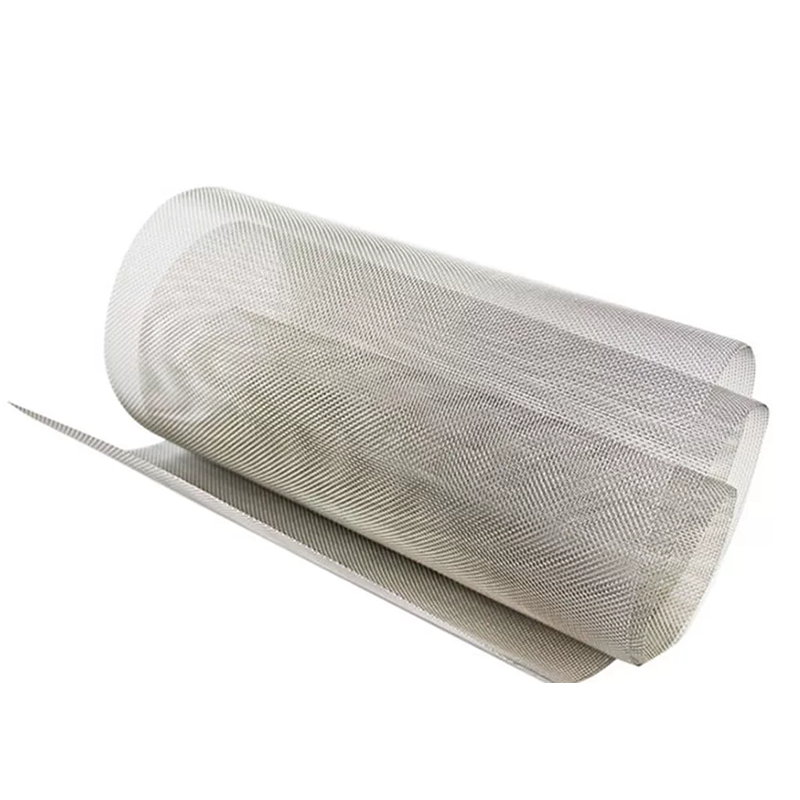
Request a quotation
Confirm the specification with our factory team
Send the product, material, dimensions, quantity, finish, and destination. We will reply with the next practical step.