
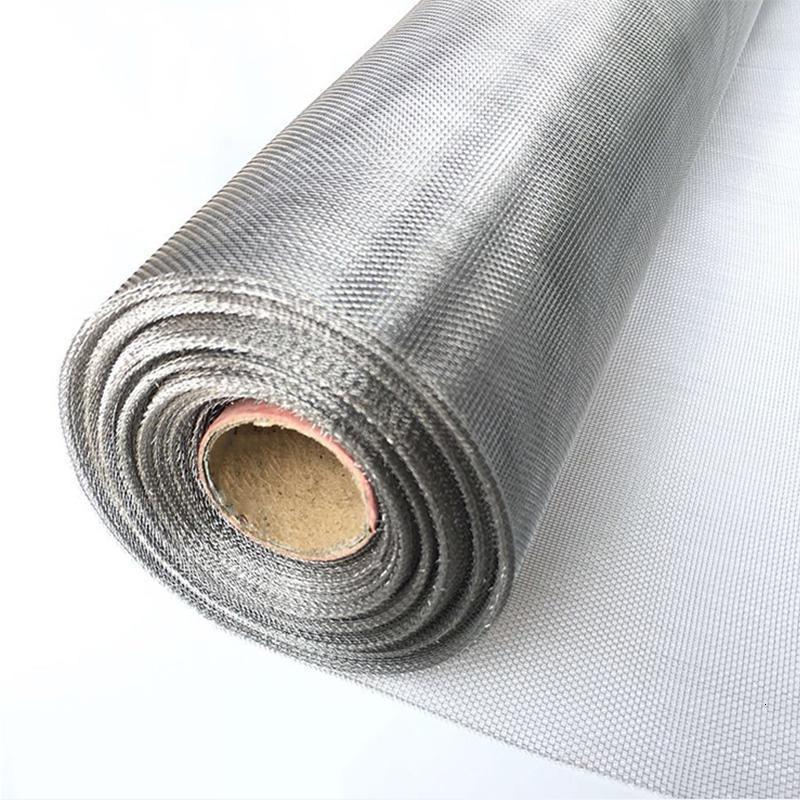
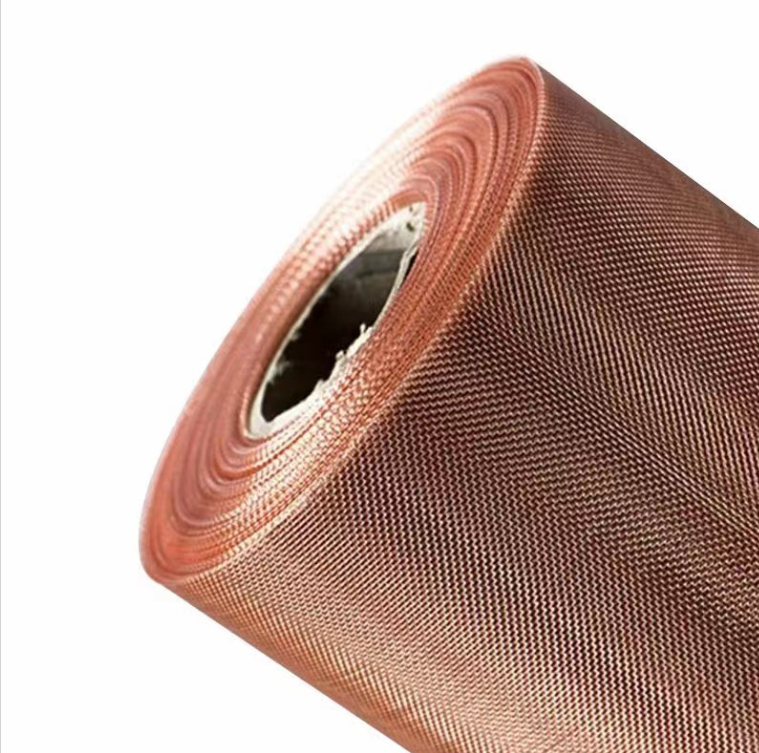
Stainless Steel & Alloy Wire Mesh
Phosphor Bronze Wire Mesh
Phosphor bronze wire mesh made from specified copper-tin-phosphorus alloy wire. Plain or twill cloth is selected by alloy, temper, aperture and wire size for compatible screens, sieves and filter components.
Quality & Compliance
-
 SGSAudited Supplier
-
 ISO 9001Quality Management
-
 CEEuropean Conformity
For an accurate quotation, include the material, opening, wire diameter or thickness, dimensions, quantity, and delivery destination.
Phosphor Bronze Woven Wire Mesh
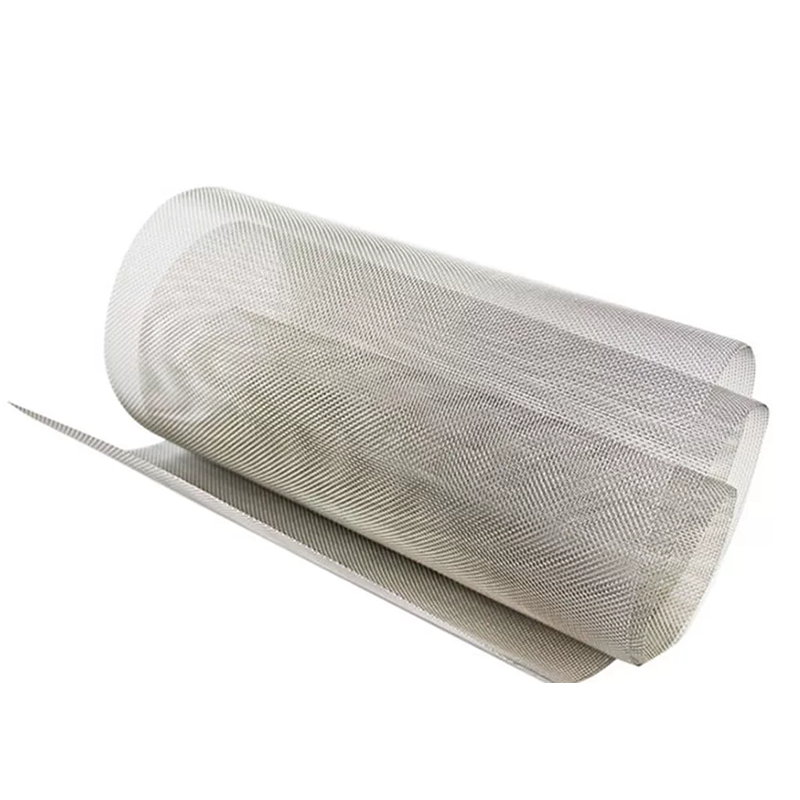
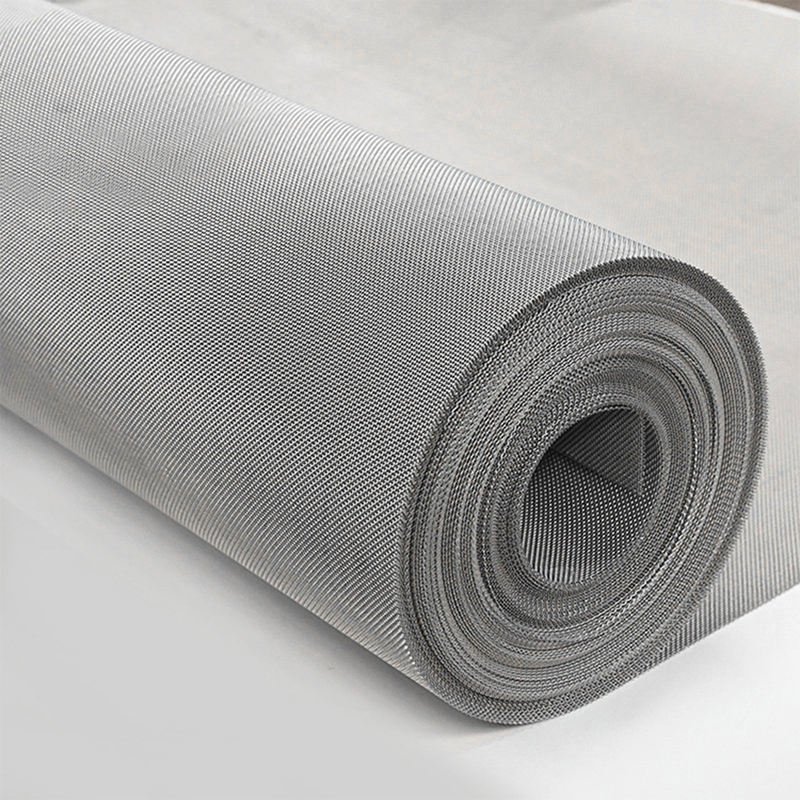
Phosphor bronze wire mesh is a woven cloth made from a copper-tin-phosphorus alloy. It is considered for suitable sieving, process screening, filtration and selected electrical screen components. The alloy, temper and mesh geometry influence how the cloth handles and performs in an assembly. Horizon Metal supplies the selected plain or twill weave as rolls, sheets or cut pieces with dimensions and inspection requirements agreed for the order.
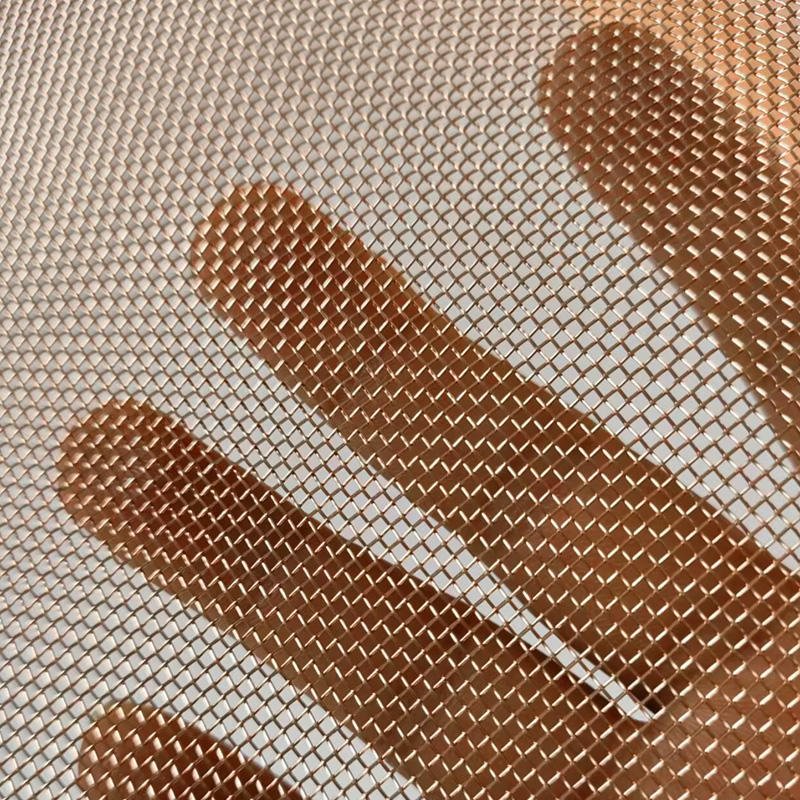
Phosphor bronze cloth showing flexibility and woven openings |
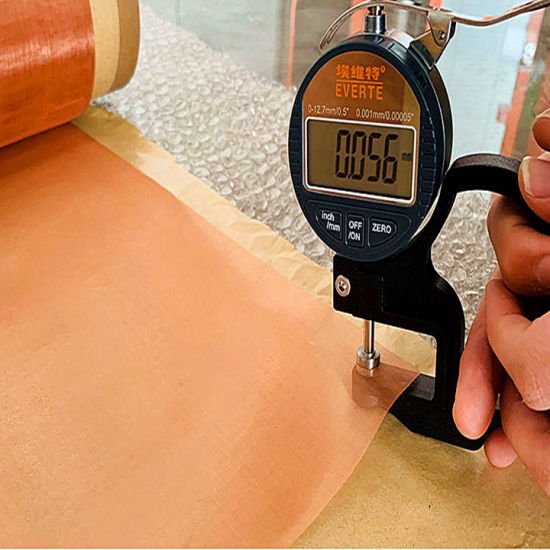
Wire mesh dimensional inspection detail |
Product Specifications
| Parameter | Reference specification |
|---|---|
| Material | Phosphor bronze such as C51000 or C5191, exact standard and composition to order |
| Weave construction | Plain or twill square weave, specified separately |
| Mesh count and aperture | Paired examples: 20 mesh / 0.315 mm wire / 0.955 mm opening; 100 mesh / 0.102 mm / 0.152 mm |
| Wire diameter | To selected count, opening and temper |
| Roll dimensions | Reference widths 0.5-1.5 m; roll length to order |
| Surface finish | As woven; cleaning and any surface treatment to order |
| Dimensional inspection | Opening, wire diameter, weave and tolerances to agreed inspection specification |
| Supply form | Rolls, sheets or cut pieces; edge and packing requirements to order |
Reference specifications describe selected designs. Confirm the required combination, tolerances and inspection with the quotation.
Alloy Grade, Temper and Material Identification
Reference designations include C51000 or C5191, subject to the exact standard and composition ordered. These designations should not be treated as automatic equivalents. Specify the alloy standard, supplied temper and material documentation required for acceptance. Tin content and condition affect strength, spring behavior and forming, so identify the intended fabrication as part of the request.
Phosphor bronze differs from C22000 commercial bronze, which is a copper-zinc alloy in this range, and from brass wire mesh. Use the full alloy designation instead of a generic bronze mesh label when comparing quotations.
Mesh Size and Aperture Examples
For square woven cloth, count and wire diameter define the nominal opening. The catalog example of 20 mesh with 0.315 mm wire gives a 0.955 mm opening. The 100-mesh example with 0.102 mm wire gives a 0.152 mm opening. These are paired reference designs. Changing the wire changes the aperture even at the same mesh count.
Plain and twill weaves are selected for the required geometry and handling. For a sieve component, agree aperture tolerance and acceptance testing. Wire cloth alone is not a certified complete laboratory sieve. For filtration, provide the medium, particle requirement, flow conditions and support details.
Application and Assembly Considerations
Review chemical compatibility, temperature, cleaning and contact with other materials before choosing the alloy. In electrical applications, mesh geometry, contact, seams and grounding influence the complete assembly. A conductivity description does not establish a tested electromagnetic shielding result.
For cut filter parts, include diameter or outline, edge condition, support and joining method on a drawing. For a stainless filter comparison, review stainless steel wire mesh filter discs with their separate material and construction requirements.
Supply and Inspection
- Select alloy and temper, weave, mesh count, wire diameter and nominal aperture.
- State usable roll width, length or cut-piece dimensions and quantity.
- Agree wire, aperture, weave and surface-condition checks with tolerances.
- Specify wrapping and packing that limit creases, contamination and edge damage.
Frequently Asked Questions
Is phosphor bronze the same as commercial bronze?
No. Phosphor bronze uses a copper-tin-phosphorus alloy. The C22000 commercial bronze mesh listed separately uses copper and zinc.
Does 100 mesh identify the filtration rating?
No. Wire diameter and weave also define aperture. A finished filter rating additionally depends on the assembly and agreed performance test.
Can the cloth be supplied cut to size?
Send dimensions, tolerances, quantity and edge requirements for review with the selected alloy and weave.
Related Products
- C22000 Commercial Bronze Wire Mesh for C22000 copper-zinc cloth.
- Brass Wire Mesh for brass screening mesh.
- Copper Wire Mesh for copper wire cloth.
Request a Quotation
Send the phosphor bronze grade and standard, temper, weave, mesh count, wire diameter, aperture and dimensions, quantity and delivery destination. Include drawings, inspection requirements and packing details where relevant so we can review the specification and supply scope.
Continue browsing
Related products
Request a quotation
Confirm the specification with our factory team
Send the product, material, dimensions, quantity, finish, and destination. We will reply with the next practical step.