
Stainless Steel & Alloy Wire Mesh
Brass Wire Mesh
Brass mesh woven from specified copper-zinc alloy wire for screening, selected filtration and decorative inserts. Choose alloy, temper, weave, mesh count, wire diameter and roll or cut-piece dimensions together.
Quality & Compliance
-
 SGSAudited Supplier
-
 ISO 9001Quality Management
-
 CEEuropean Conformity
For an accurate quotation, include the material, opening, wire diameter or thickness, dimensions, quantity, and delivery destination.
Brass Mesh and Woven Brass Screen Cloth
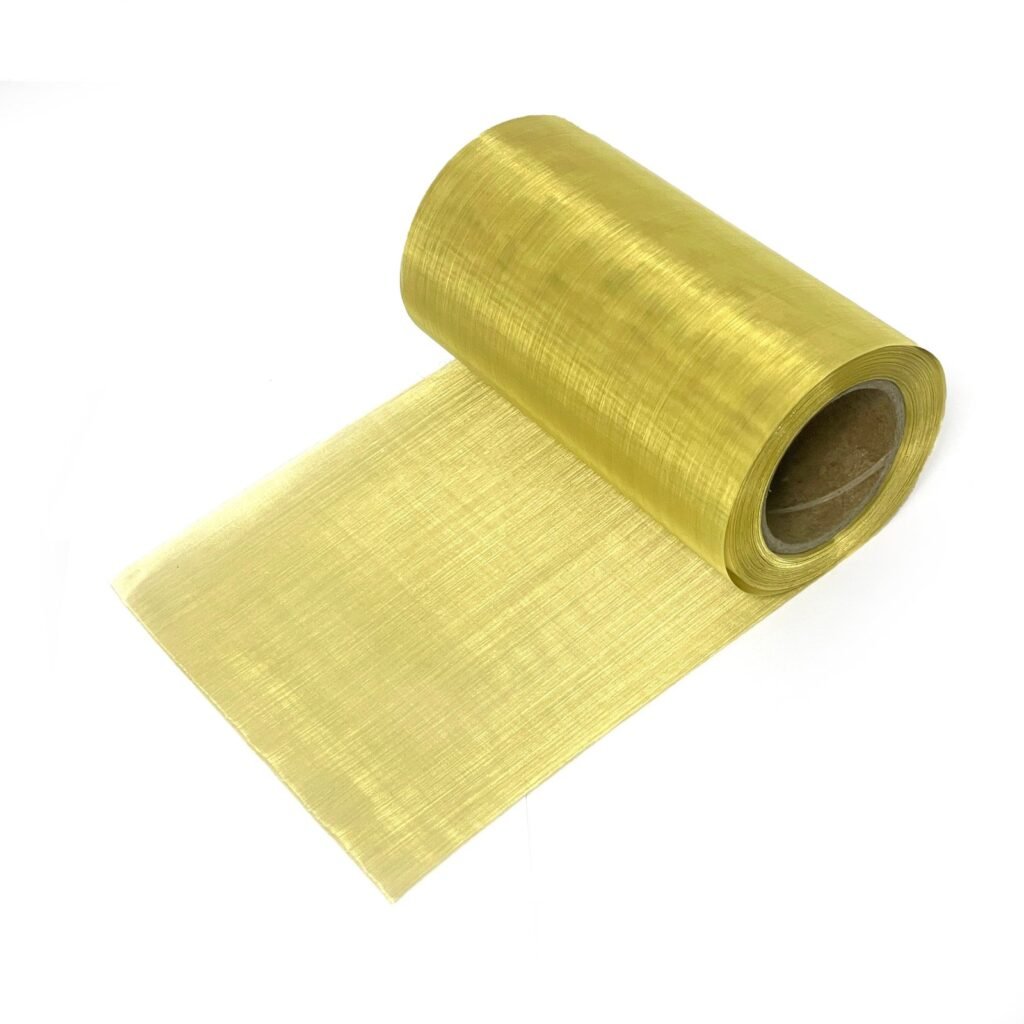
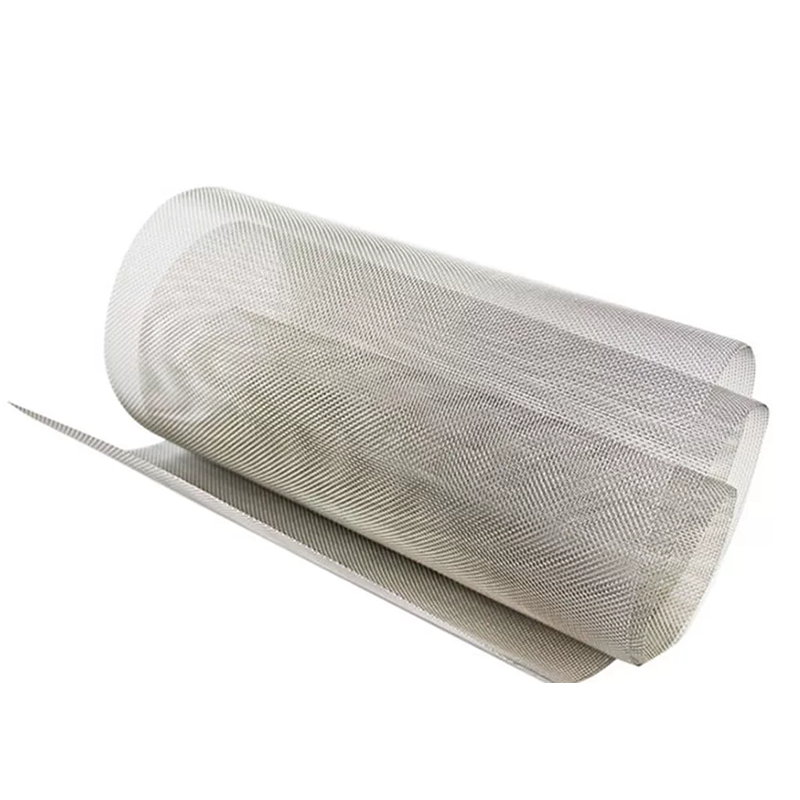
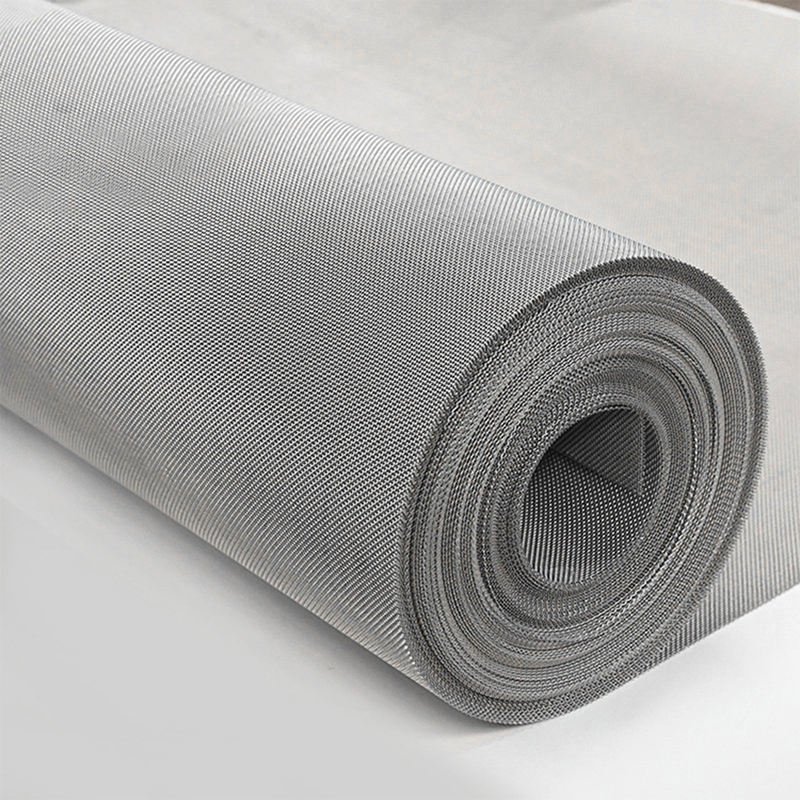
Brass wire mesh interlaces copper-zinc alloy wires to form a screening cloth with a warm metallic appearance. It is used for suitable sieves, process screens, filter components and decorative inserts. Plain and twill weave designs provide different combinations of opening and wire size. Select the alloy and temper together with the mesh geometry so the supplied cloth suits the forming method and operating environment.
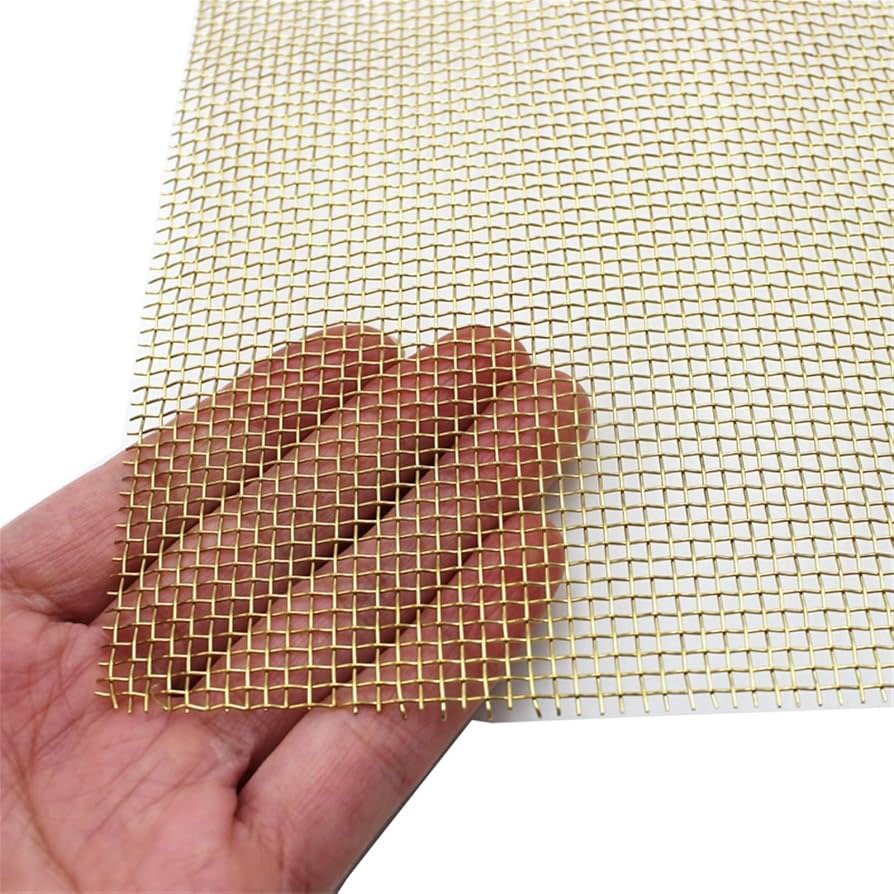
Brass wire cloth showing its woven openings and flexibility |
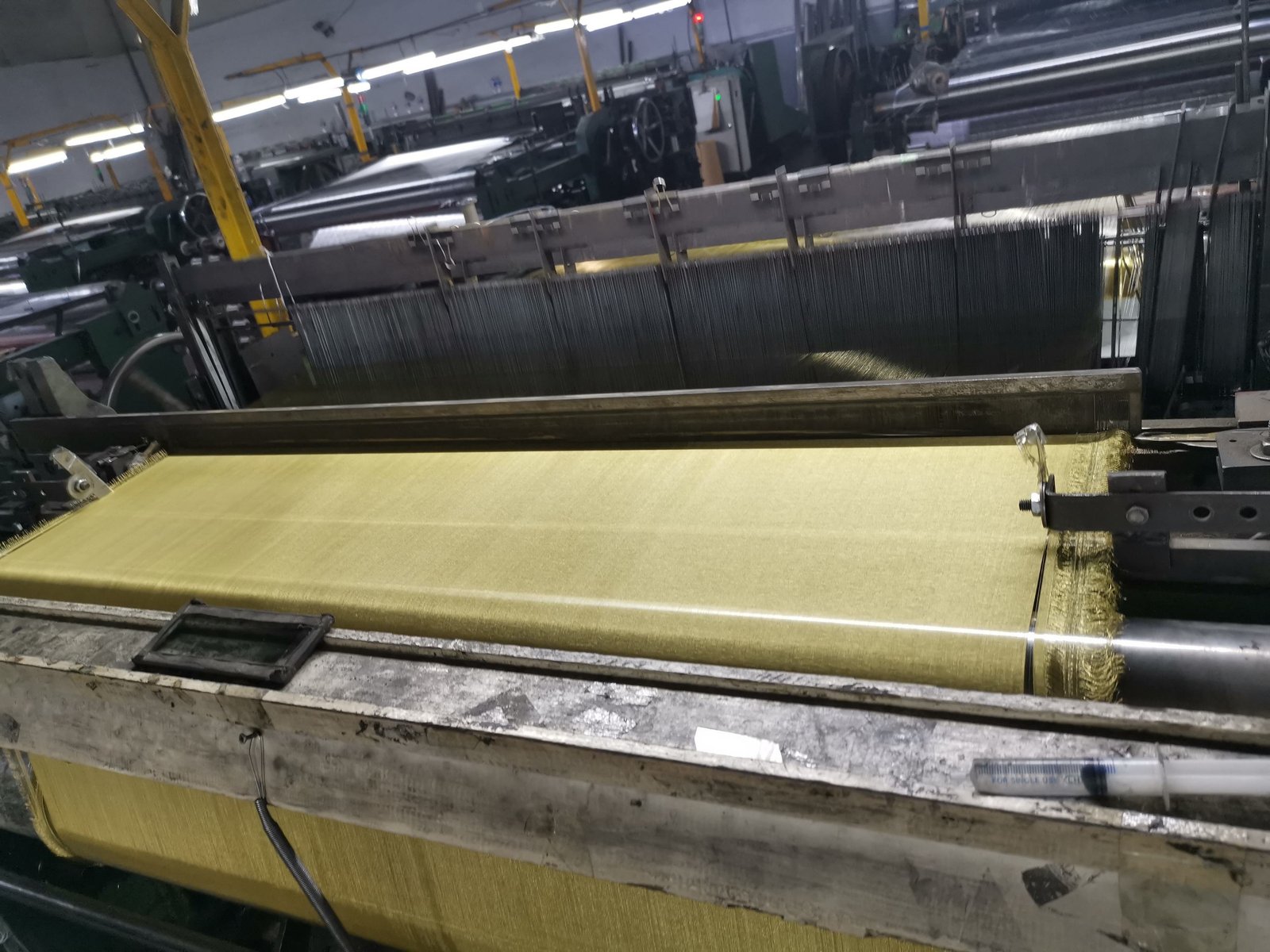
Brass mesh production and handling detail |
Product Specifications
| Parameter | Reference specification |
|---|---|
| Material | Brass such as C24000, C26000 or C27000, exact grade and chemistry specified separately |
| Weave construction | Plain or twill square weave, specified separately |
| Mesh count and aperture | Paired examples: 80 mesh / 0.10 mm wire / 0.2175 mm opening; 100 mesh / 0.10 mm / 0.154 mm |
| Wire diameter | To selected aperture, count and temper |
| Roll dimensions | Reference widths 0.6-1.6 m; length and cut dimensions to order |
| Surface finish | As woven or specified cleaning; surface protection to order |
| Dimensional inspection | Opening, wire diameter, weave and tolerances to agreed inspection specification |
| Supply form | Rolls, sheets or cut pieces; edge and packing requirements to order |
Reference specifications describe selected designs. Confirm the required combination, tolerances and inspection with the quotation.
Specify the Brass Alloy and Temper
The reference range includes grades such as C24000, C26000 and C27000. These designations identify different alloy compositions and should not be substituted solely because the finished mesh has a similar color. State the applicable material standard, exact grade, supplied temper and required documentation. Bending, cutting and framing requirements should be included when the cloth will become a fabricated insert.
For electrical screen components, conductivity is only part of the design. Openings, seams, grounding and the complete installation affect performance. Request a defined test or acceptance requirement rather than assuming a shielding rating from brass mesh alone.
Reading Brass Mesh Size
Mesh count and wire diameter must be read as a pair. In the reference table, 80 mesh with 0.10 mm wire gives a nominal 0.2175 mm square opening. At 100 mesh with the same wire, the nominal opening is 0.154 mm. These values follow the square-weave geometry and do not establish an absolute filtration rating for a finished assembly.
For sieving or filtration, provide the particle and process requirements, fluid, temperature, pressure differential and supporting arrangement. Loose woven cloth does not itself establish compliance for a complete calibrated test sieve.
Brass, Copper and Bronze Mesh Choices
Copper wire mesh is a separate material choice. C22000 commercial bronze mesh has a nominal 90% copper and 10% zinc composition despite its commercial name. Phosphor bronze wire mesh uses a copper-tin-phosphorus alloy. Specify the grade directly when appearance, forming or process compatibility matters.
For decorative brass screen mesh, agree the visible face, sample appearance, cut direction and surface protection. Copper alloys can change appearance with exposure and handling. Discuss the expected finish rather than promising a permanent bright color.
Supply and Acceptance
- Choose rolls, sheets or cut pieces and give usable dimensions and edge details.
- Confirm opening, wire diameter, weave direction, tolerances and flatness needs.
- Specify surface cleanliness and protection for visible decorative faces.
- Agree roll cores, wrapping and labels to limit distortion and handling marks.
Frequently Asked Questions
Is brass mesh the same as bronze mesh?
No. Brass is a copper-zinc alloy family. Commercial bronze and phosphor bronze names can describe different alloy systems, so the exact grade is essential.
Can brass screen mesh be used for filters?
It can be considered for compatible processes. Specify aperture and the process conditions, then review the material and complete filter design.
Can I order a decorative cut panel?
Provide the opening, wire, alloy, temper, finished size, framing detail and appearance sample for review.
Related Products
- Copper Wire Mesh for a copper material specification.
- C22000 Commercial Bronze Wire Mesh for C22000 commercial bronze.
- Phosphor Bronze Wire Mesh for copper-tin-phosphorus alloy cloth.
Request a Quotation
Send the brass grade and temper, weave, opening or mesh count, wire size and finished dimensions, quantity and delivery destination. Include drawings, inspection requirements and packing details where relevant so we can review the specification and supply scope.
Continue browsing
Related products
Request a quotation
Confirm the specification with our factory team
Send the product, material, dimensions, quantity, finish, and destination. We will reply with the next practical step.